Apply for Dealership
 Software & Connectivity
 Sectors
 Contact
 Speak with an expert
 Schiller AG


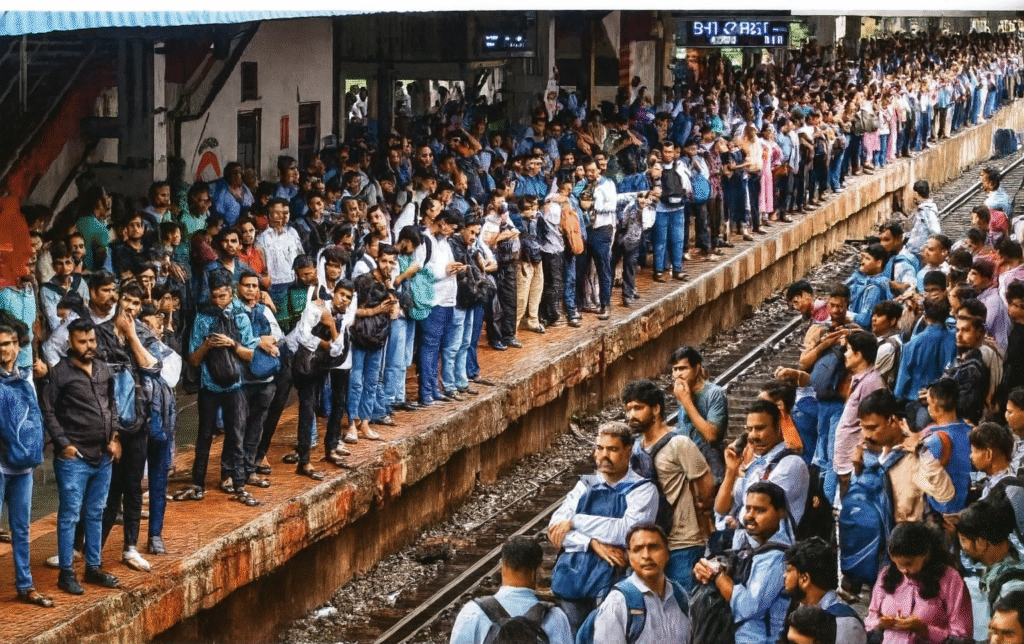
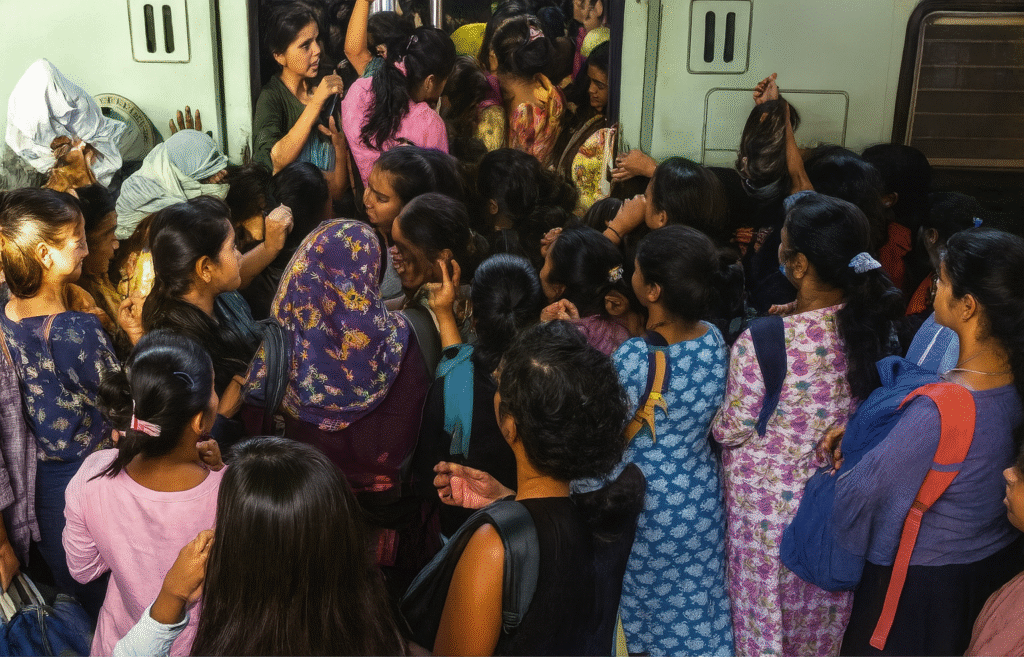
While railway staff are trained in life-saving CPR techniques, the challenges of administering them effectively in a densely packed compartment are immense.
On May 23, 2025, Preti Mishra got trapped in a severely overcrowded carriage at Kurla station while returning home to Kalyan. The crush caused the 24-year-old to lose consciousness. “While returning home, I fainted at the station due to overcrowding,” she told Mumbai Mirror. “The trains are mainly late, causing further crowding. I was unconscious; people around me helped me with water. After sitting for around 20 minutes, I felt normal and returned home,” she said.
Race against time
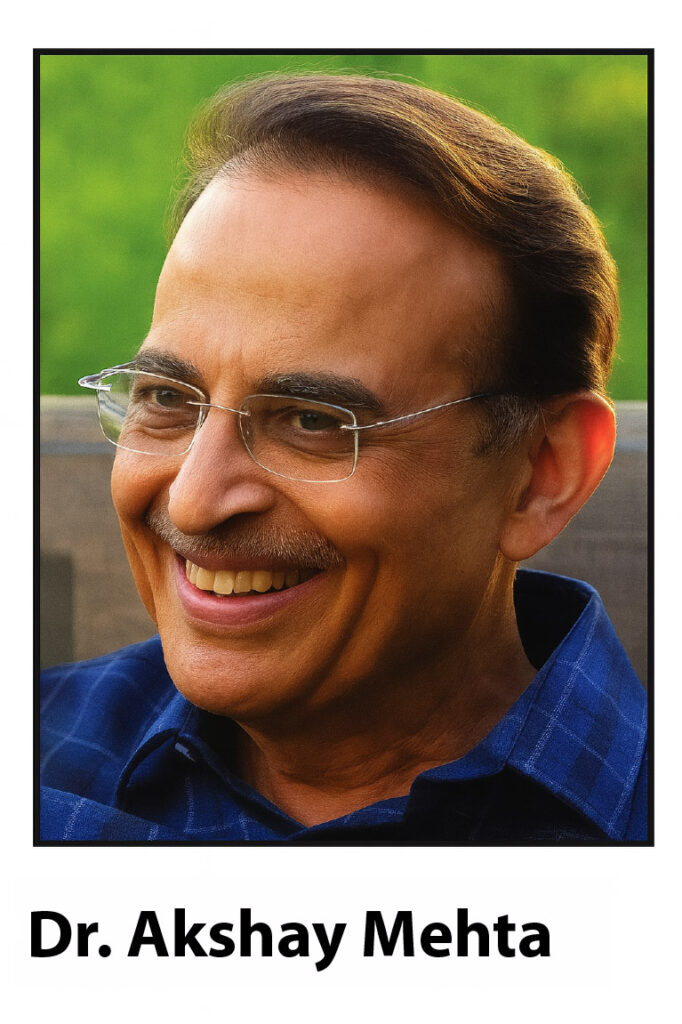
When a commuter collapses, a frantic race against time begins in the cramped confines of the train. Dr. Akshay Mehta, a cardiologist at Nanavati Max Hospital, explained the crucial first steps for responders: “The first step for the police or railway staff is to determine whether the person who has lost consciousness is experiencing a cardiac arrest. This is done by tapping the shoulders and loudly calling out to wake the individual.”
He added that if there is no response and no breathing, it’s a critical sign of cardiac arrest.
In such a scenario, every second is a matter of life and death. “Cardiac arrest causes the brain to lose blood supply within minutes. Without blood flow for five to seven minutes, irreversible brain damage occurs, leading to death,” Dr. Mehta, who trains GRP officials, said.
During this critical period, cardiac massage or cardiopulmonary resuscitation (CPR) must be administered to maintain blood flow to the brain.
According to Mehta, while railway staff are trained in these life-saving CPR techniques, the challenges of administering them effectively in a densely packed compartment are immense. The availability of an automated external defibrillator (a portable electronic device that analyses the heart rhythm and, if necessary, delivers an electrical shock to restore a normal heartbeat during sudden cardiac arrest) is also crucial.
But what triggers such a sudden medical emergency? The very conditions of the commute itself can be a catalyst.
In 2023, Pinky Rai, 18, while travelling from Ghansoli to Thane, suffered a mild heart attack, an incident recounted by Ticket Checker Deepa Vaidya. *1 asked Rai for the ticket,” she said. “While searching for the ticket, she felt severe pain in her chest; I initially thought she was bluffing as she might not have a ticket. However, it turned out she was having severe pain in her chest,” Vaidya said.
Upon reaching Thane, Vaidya and her colleague, Jain Marcella Cybil, immediately took Rai to the medical room on Platform 1. “We rushed her to the civil hospital as she was critical and crying, accompanied by GRP and one passenger,” Vaidya added.
At the hospital, the doctor recommended an ECG. “Meanwhile, we informed her parents and asked them to reach the spot,” Vaidya explained. The ECG confirmed that Pinky had suffered a mild heart attack, Vaidya noted, “The patient had a medical history.” Pinky Rai’s mother, Meena Rai, said, “She had a pain in her chest and was taken to the hospital by officials at the station.”
Physiological Stress
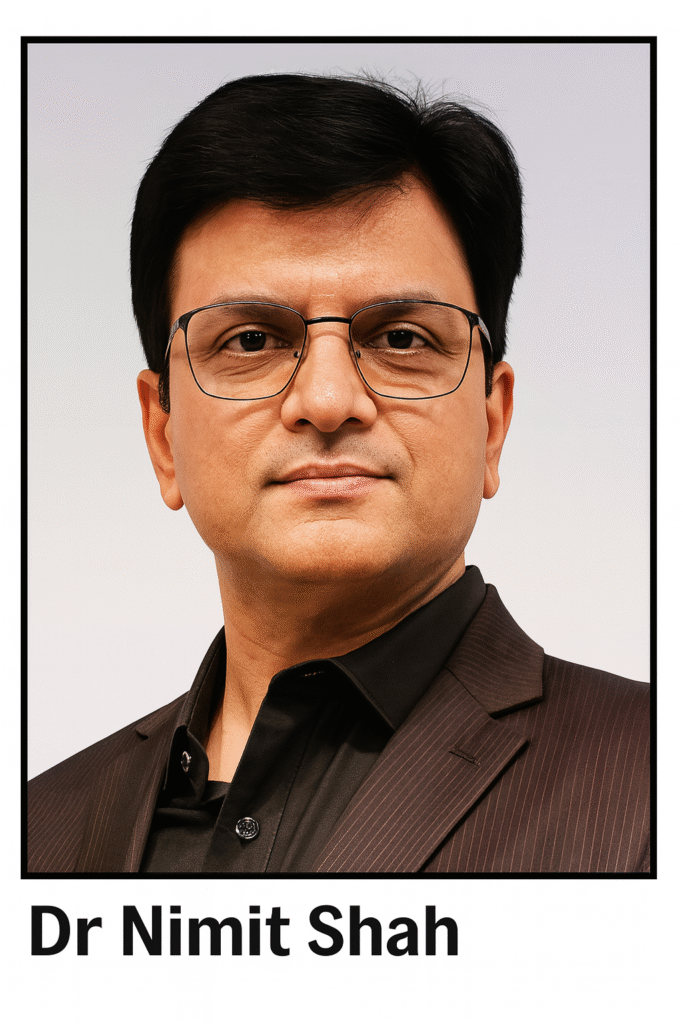
Dr. Nimit Shah, an interventional cardiologist at Saifee Hospital, points to the physiological stress of overcrowding. “Overcrowding in the train can cause suffocation, increased blood pressure and stress,” he said. He clarified that while suffocation alone is less likely to cause a heart attack in a healthy individual, it can be a deadly trigger for those with an underlying or undiagnosed condition.
According to the railway police, any accident information is reported to the station master, who then dispatches memos and calls for an ambulance. Senior Inspector Sambhaji Katare of CSMT Police Station confirmed that their on-the-spot police are trained to provide CPR. “In cases like suffocation and dizziness, they are provided with immediate care, including providing water and rubbing palms and feet,” he said.
Read this news at Mumbai Mirror